
About the author.
Suhani Shah - an aspiring journalist studying first year Media and Communications.
She is passionate about creative writing, reporting, and anchoring, with a keen interest in international relations, television, and geopolitics.
A through and through Indian girl, desi at heart and learning how to build herself a home away from home.
Editors note.
‘From Temple Courtyards to Trafalgar Square: How Diwali Transforms Abroad’ is a reflective piece on how the devoted and contemplative tradition the narrator knew in India had transformed into a flamboyant and musical social event in London. It is a reflection on consumerism and the modern age, and how spirituality adapts to it. The piece balances nostalgia with observation, examining what is lost, gained, and reshaped when cultural practices move across borders. - Louise Bourdeaux (editor)
Issue edited by Isabella Valencia Zapata.
From Temple Courtyards to Trafalgar Square: How Diwali Transforms Abroad
Diwali - the Festival of Lights - is more than a spectacle of colour and celebration. It is a sacred thread that connects generations, faiths, and philosophies, symbolizing the eternal triumph of light over darkness, knowledge over ignorance. Yet, as its glow reaches beyond India’s borders, the festival’s spiritual depth often risks being dimmed.
In 2025, Trafalgar Square in London once again shimmers with lanterns, food stalls, and cultural performances. Thousands gather to celebrate unity in diversity. But amid the cheers and Bollywood beats, one shall ask: are we slowly losing the soul of Diwali?
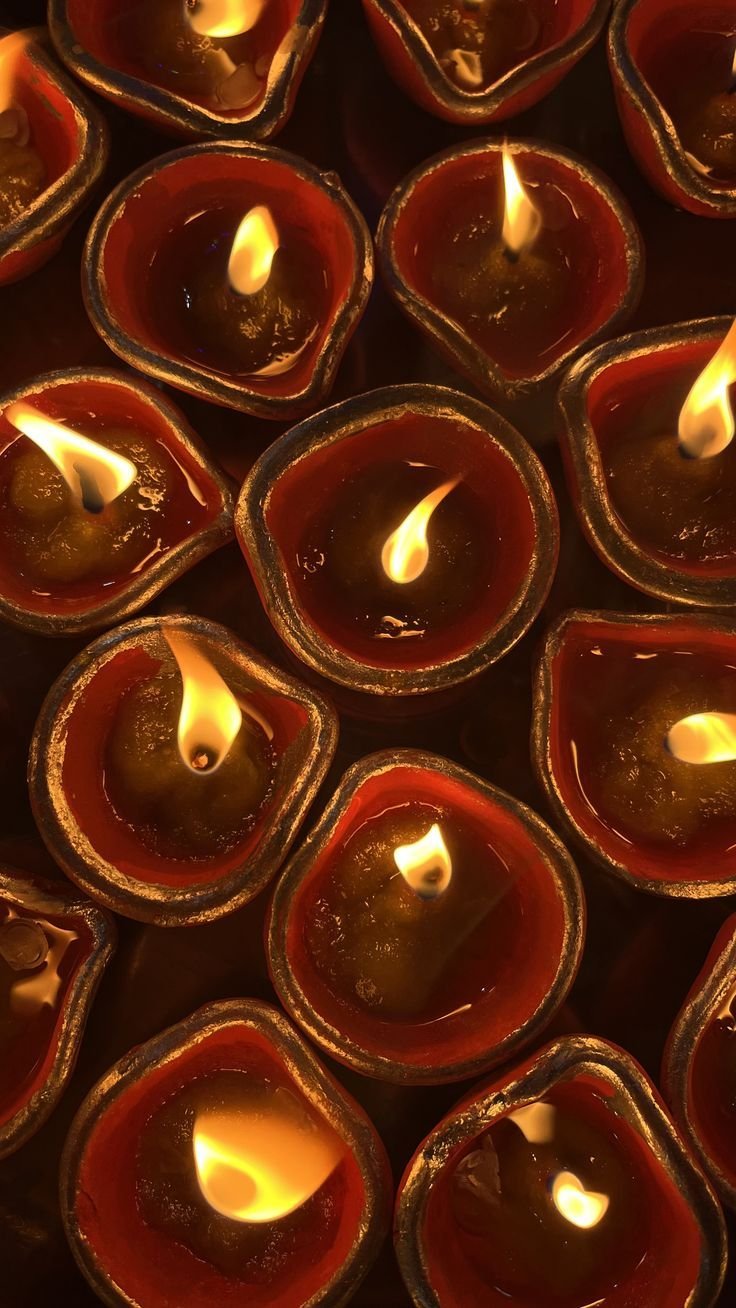
Growing up in India, Diwali for me was a time of sacred simplicity and profound devotion. As a Jain, the festival carried layers of meaning - commemorating not just the Hindu belief in Lord Rama’s return to Ayodhya, but also the day Lord Mahavira attained nirvana. Our day was spent performing Lakshmi and Saraswati puja to welcome the goddess of wealth and honouring knowledge and spiritual prosperity. I remember sitting cross-legged beside my father as we lit diyas, offered sweets, and prayed to our books - a humble act symbolizing reverence for learning and purity of thought. The air smelled of ghee lamps and marigolds.
However, my first Diwali in London was a crisp contrast. As a new student and resident, I spent it in a small flat - dressed up, laughing, dancing to Bollywood music, and sipping wine. The evening was filled with food and firecrackers, yet I couldn’t ignore the hollowness I felt. Where was the sanctity, the silence, the prayer? Was this still Diwali, or had it become just another social event dressed in cultural colour?
Even in India, Diwali is changing. Glittering malls replace temple courtyards; social media reels outshine diyas; and children grow up celebrating with crackers and selfies, not scriptures and stories. The values of reflection, compassion, and humility - once at the heart of the festival - risk being overshadowed by consumerism and convenience.
Celebration is beautiful, yes, but when festivity replaces faith, Diwali loses its true essence. As we embrace modern ways of celebrating, it is essential to balance joy with reverence, community with contemplation. Because Diwali without spirituality is like a diya without a flame - bright on the outside, but hollow within. True celebration lies in keeping that inner light alive and never forgetting the roots from which it first began to shine.
by Suhani Shah